
Choose your building profile
Commercial and industrial facilities have different envelopes, schedules, and code requirements. We plan each one accordingly.
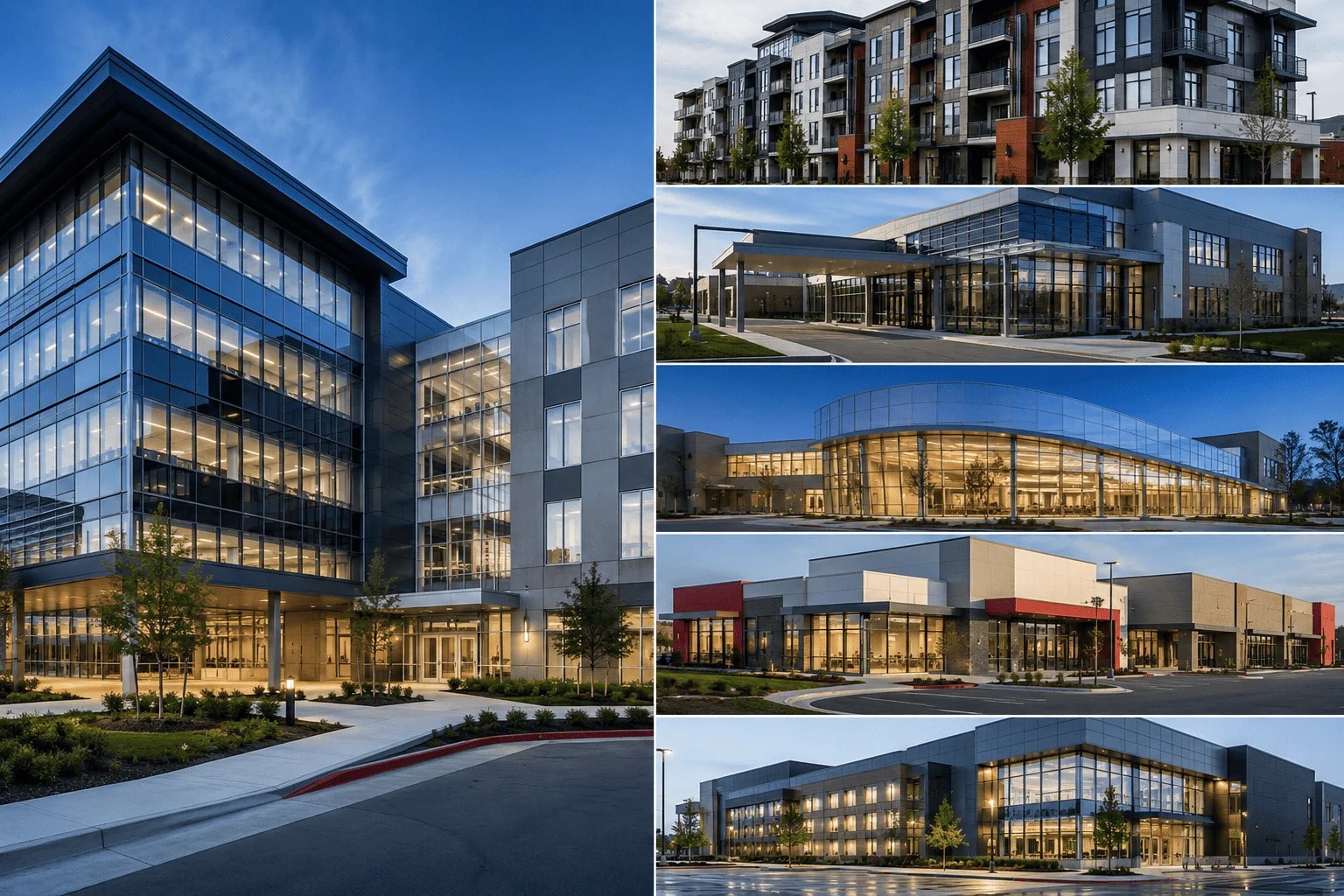
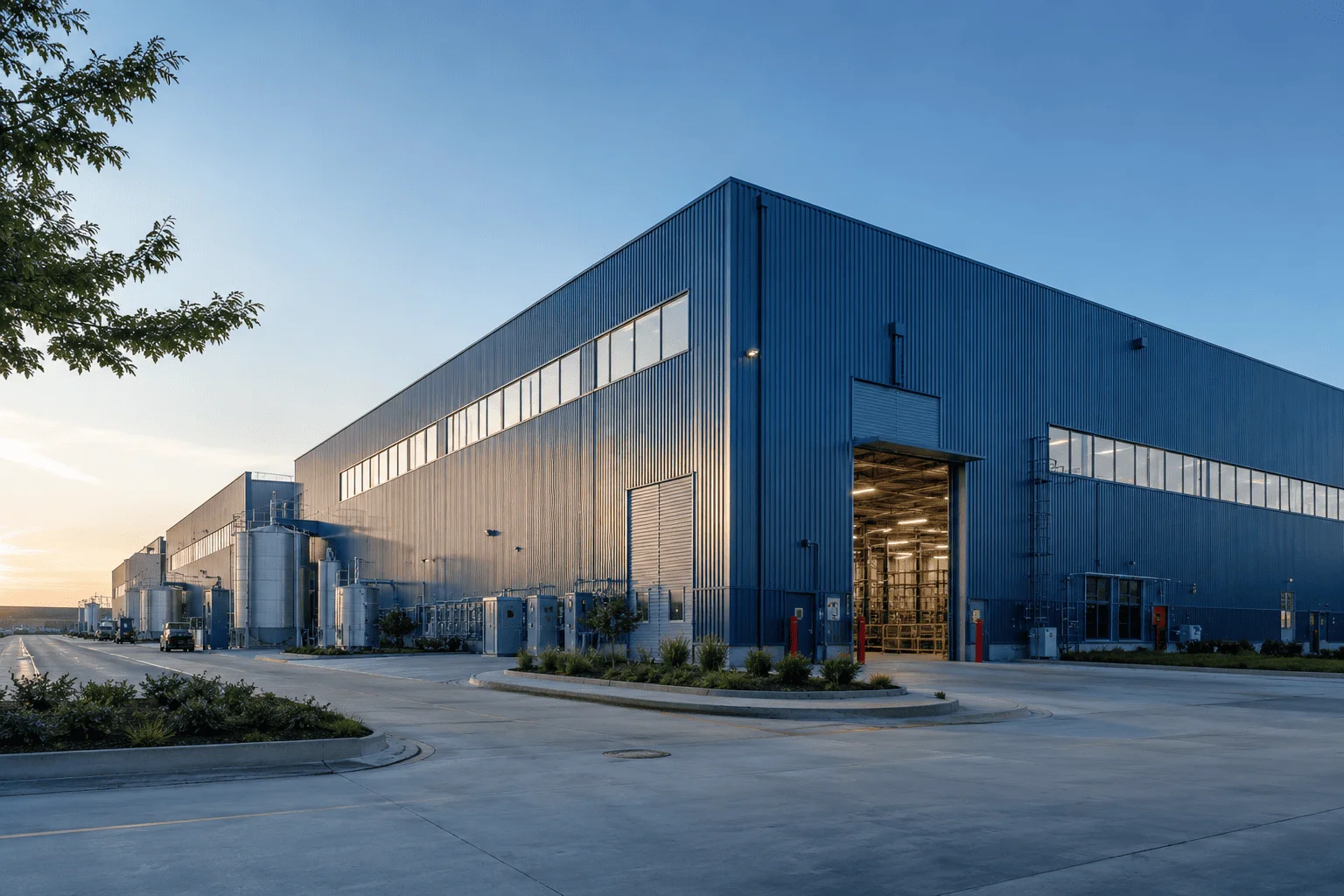
We pick the system to fit the building
Spray Foam Insulation
Open- and closed-cell foam that handles air sealing and R-value in one pass, including condensation control on steel.
Metal buildings, roof decks, retrofitsFiberglass Insulation
Batt and roll for framed walls and ceilings where you need solid R-value and code compliance without paying for foam.
Offices, schools, new constructionBlown-In & Cellulose
Dense-pack and loose-fill that gets into irregular cavities existing buildings are full of, with decent sound dampening.
Retrofits, multifamily, ceilingsMetal Building Insulation
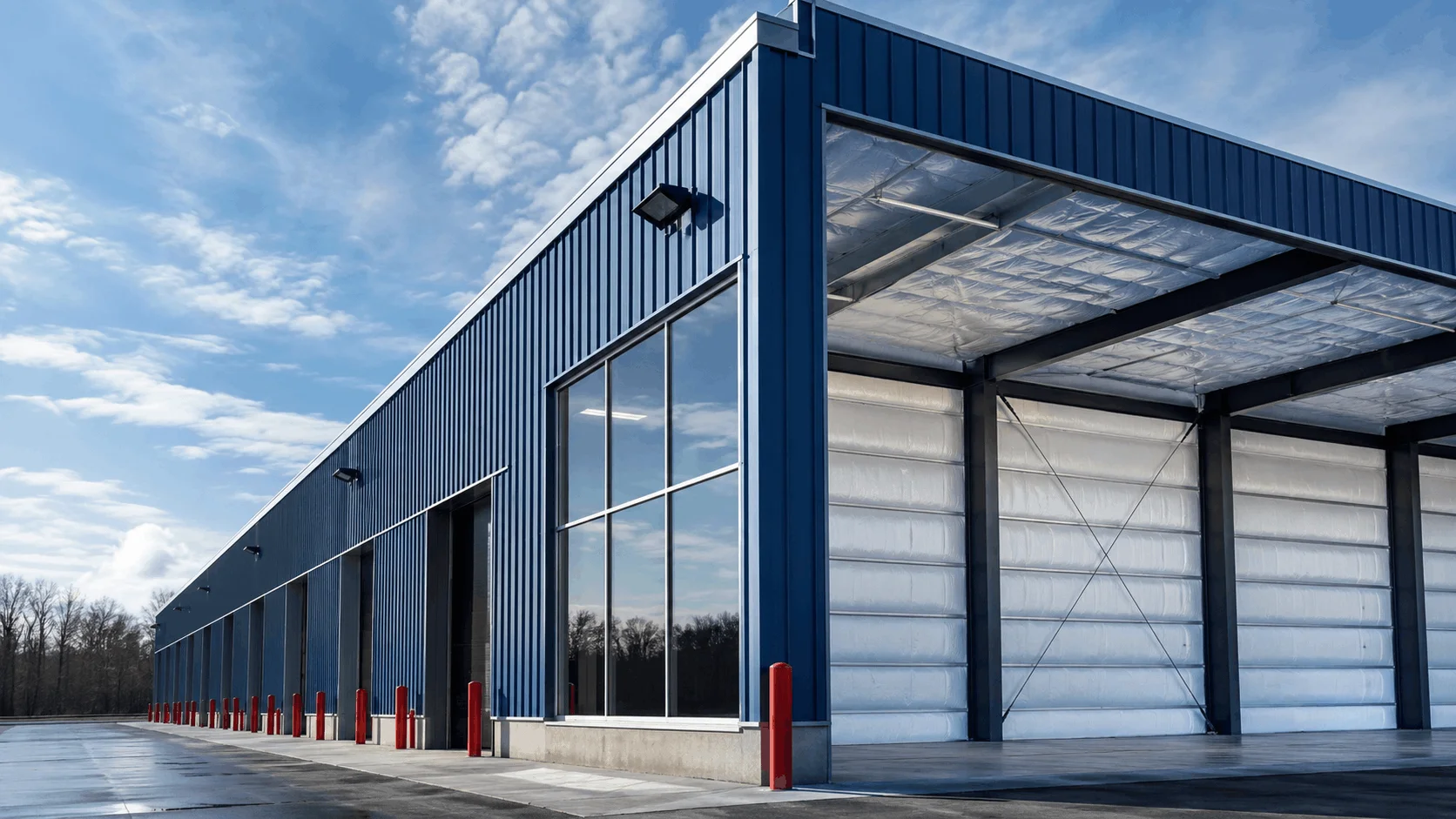
Built for steel structures, where condensation and thermal bridging cause more trouble than raw R-value.
Warehouses, shops, distributionAir Sealing
Closing the gaps and penetrations that quietly waste HVAC capacity and drag down whatever insulation is already there.
Building envelope, retrofitsRetrofit & Replacement
Removal, repair, and re-insulation in buildings that still have to run while we work.
Occupied facilities, TI projectsDifferent buildings, different problems
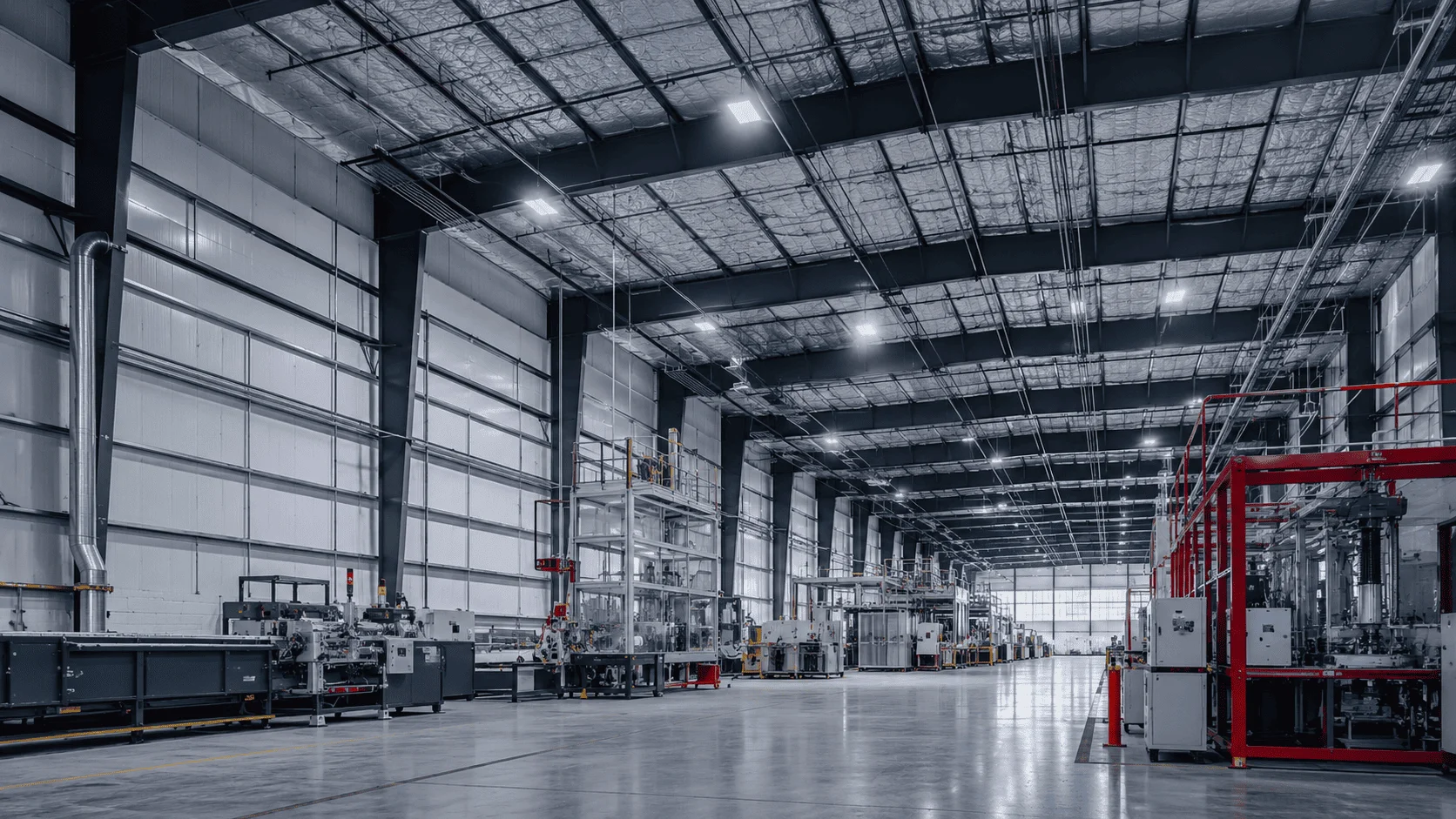
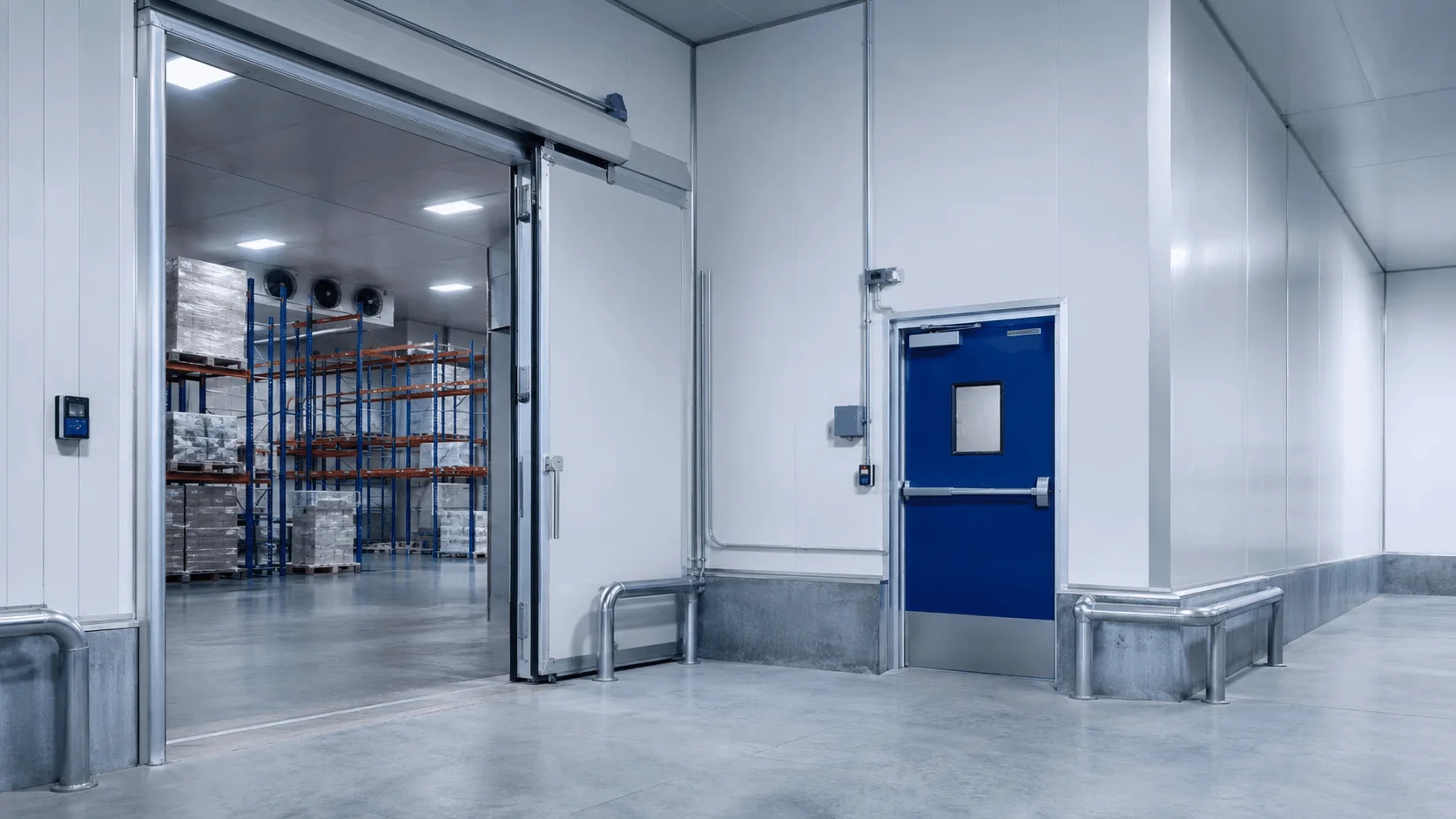
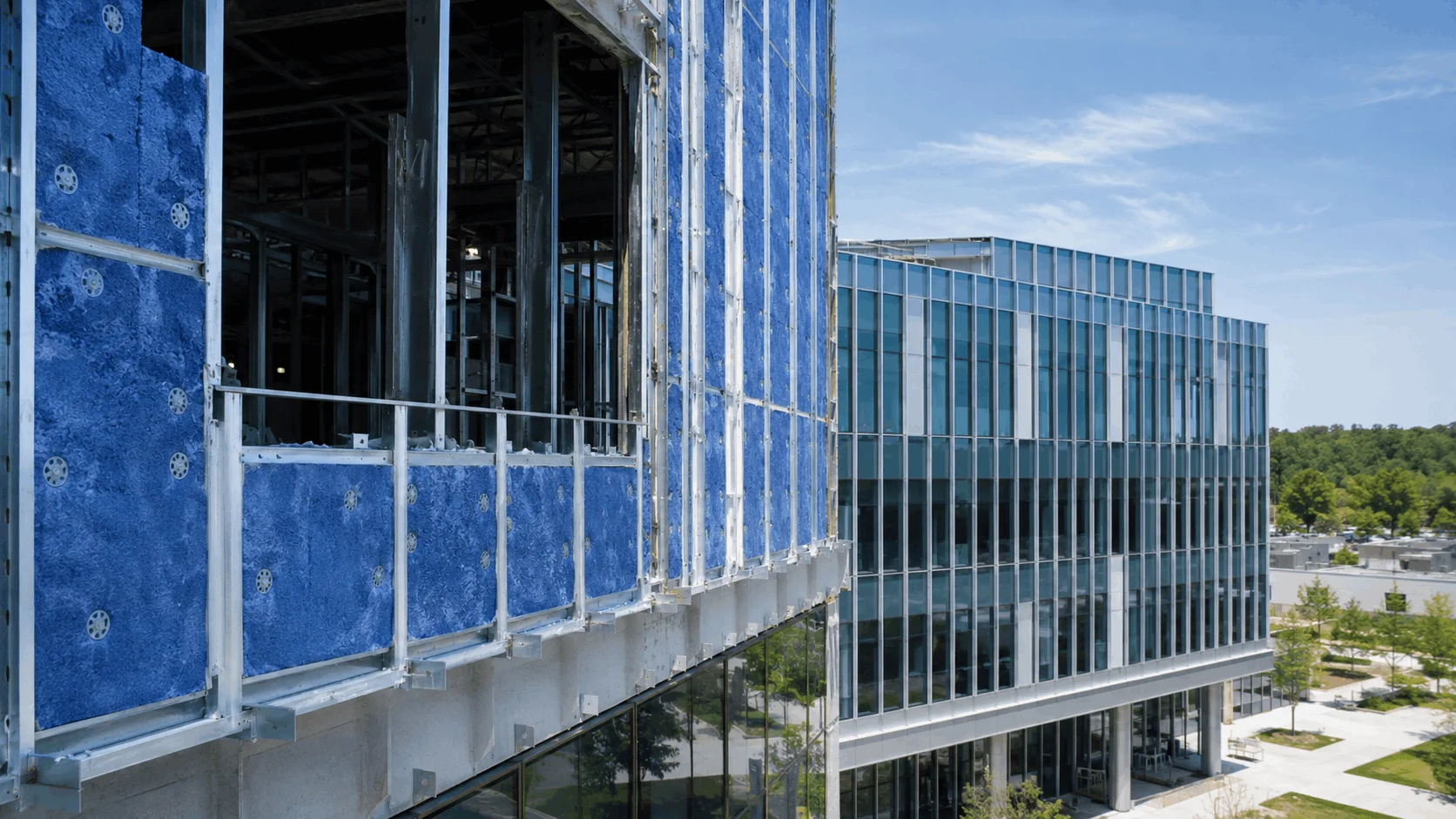
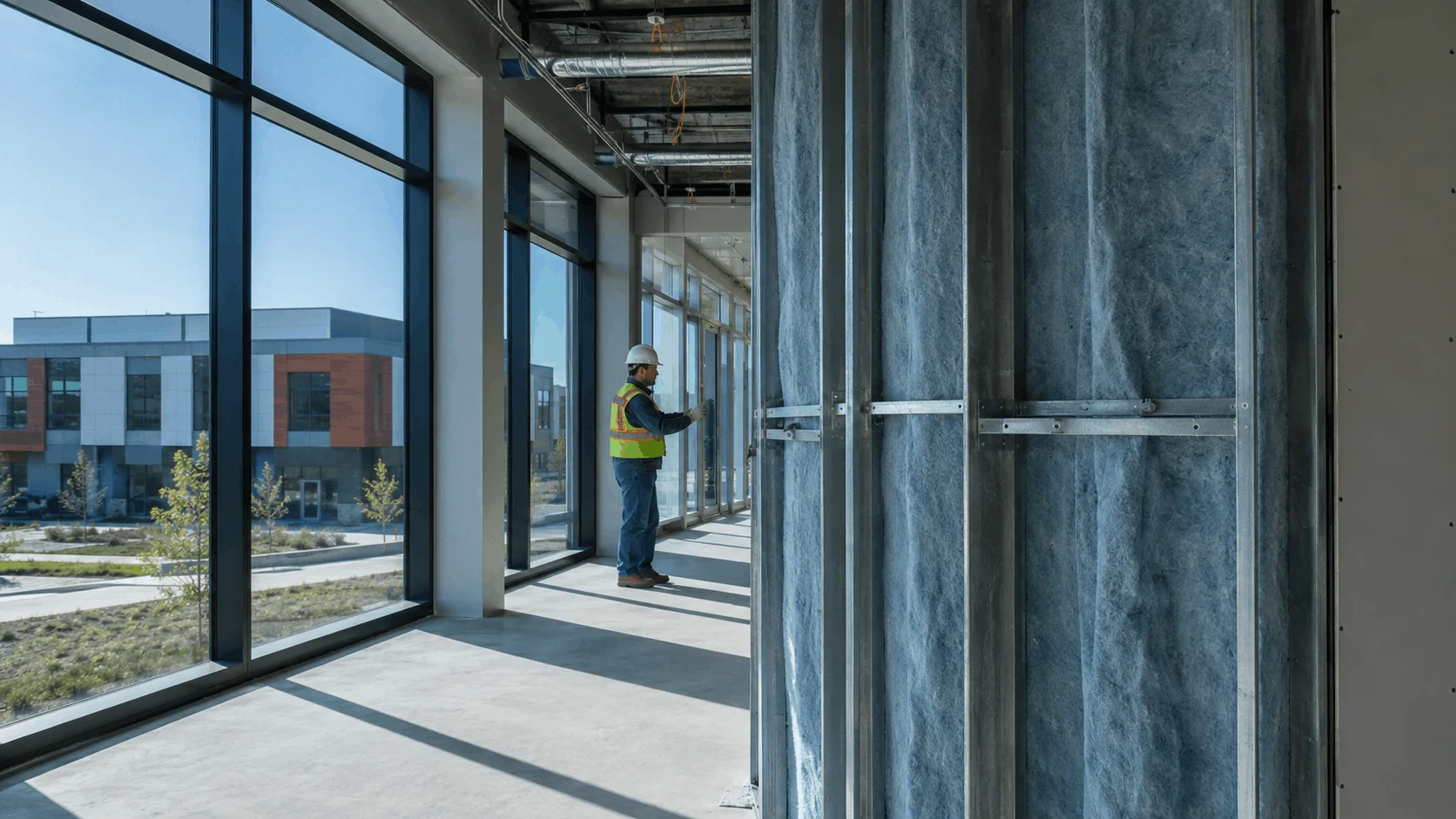
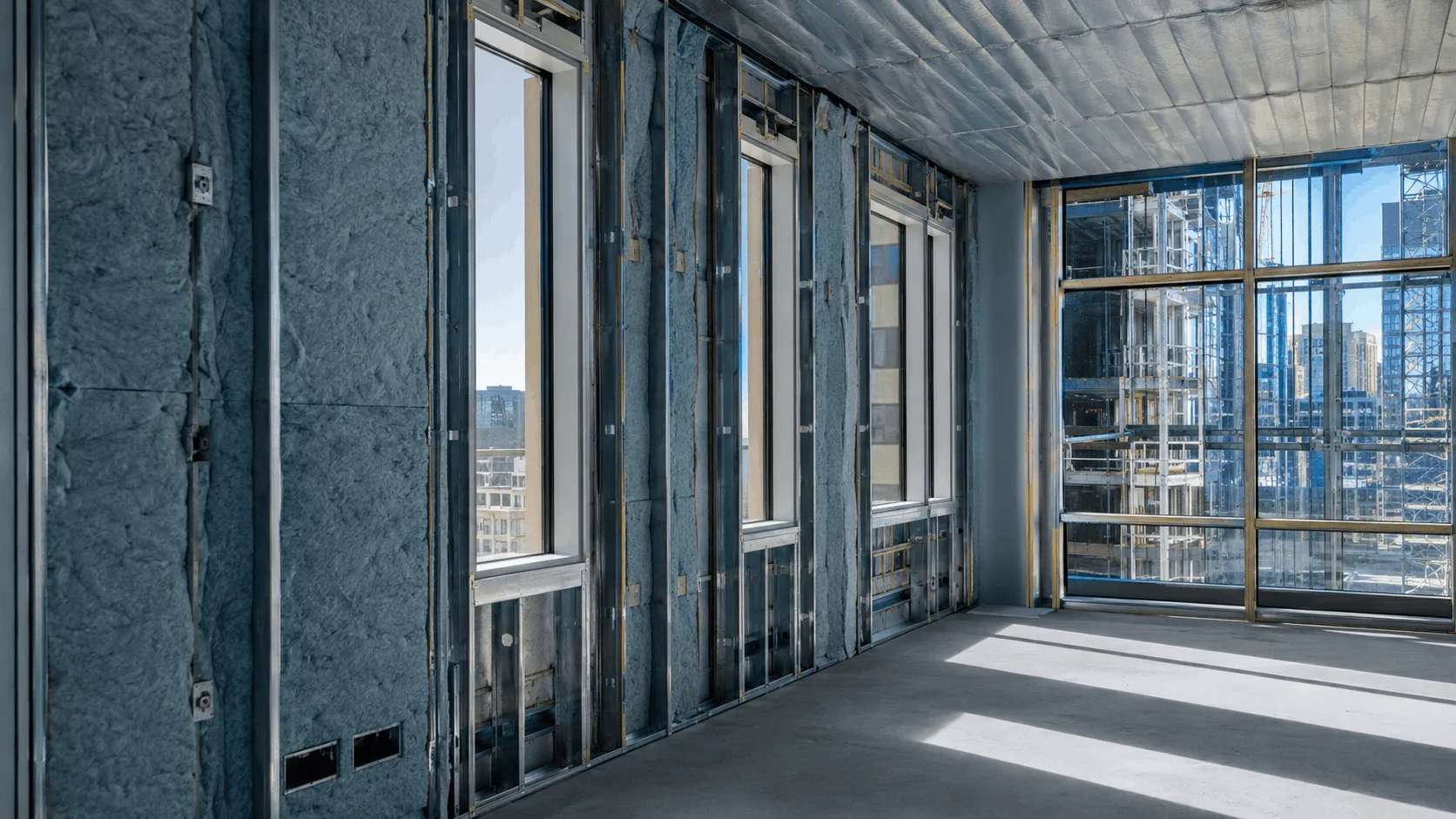
A warehouse, a hospital, and a manufacturing plant barely overlap on access, scheduling, or code requirements. We plan the insulation around how each one actually runs.
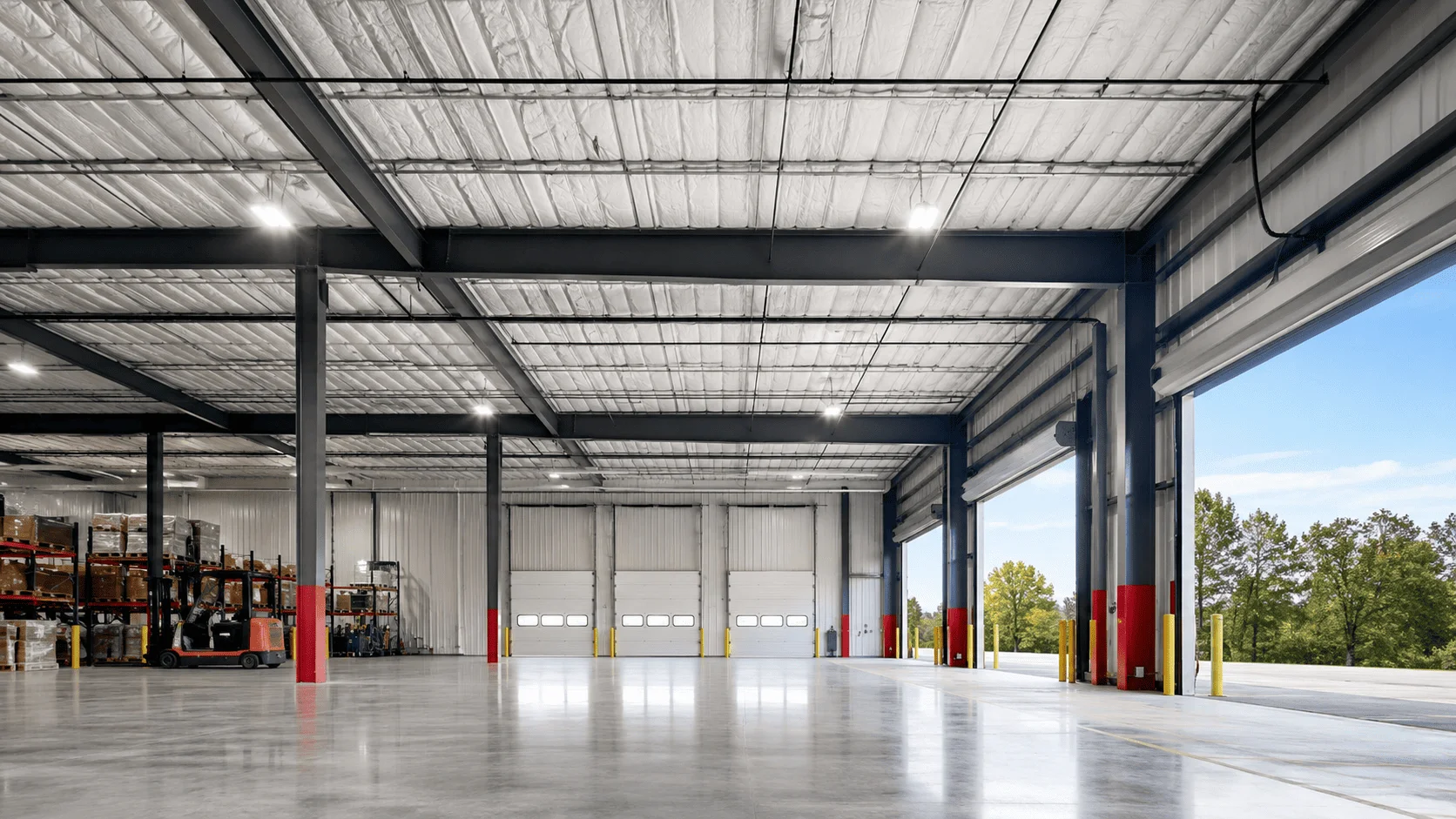
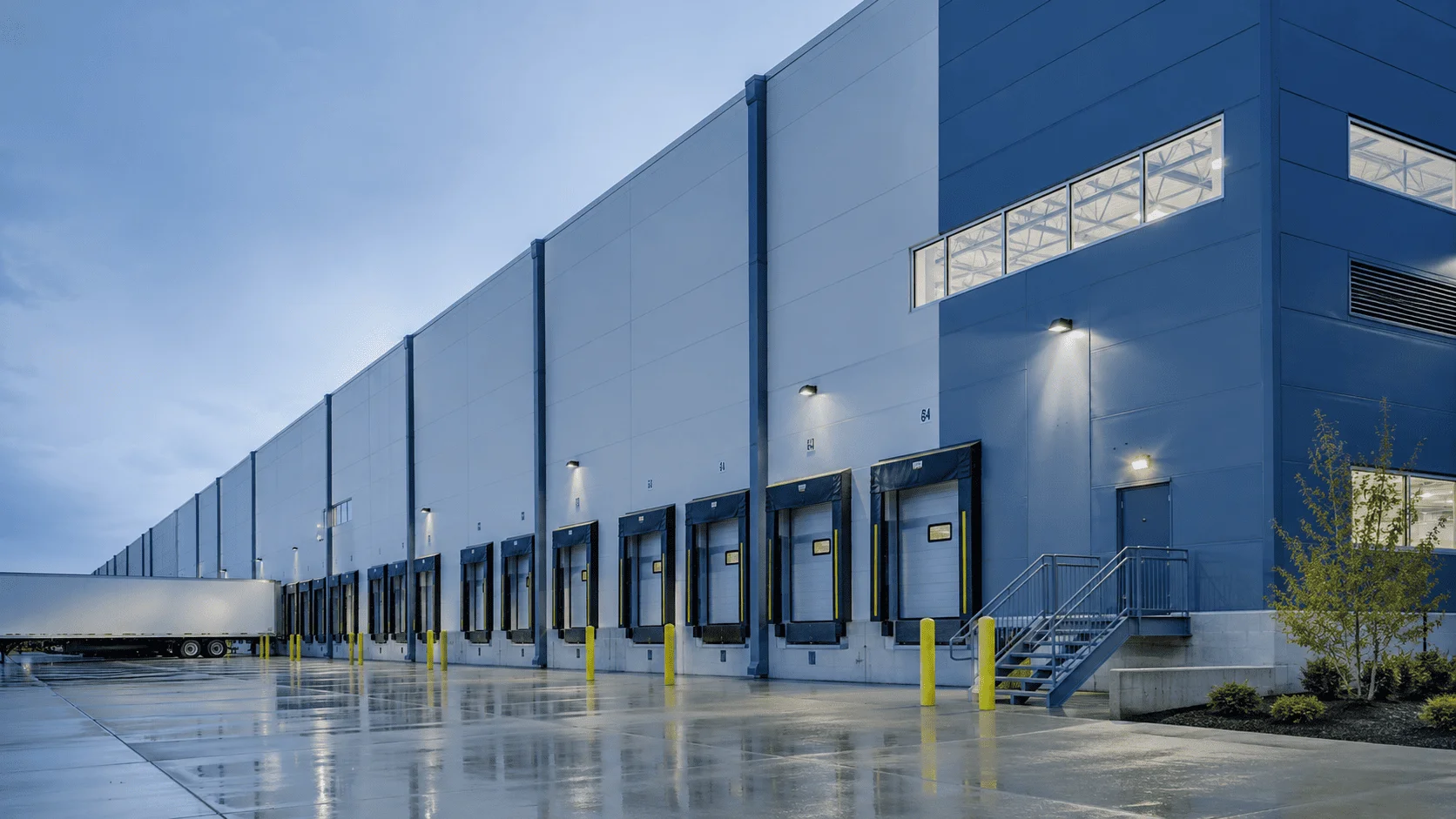
Built around real jobsite schedules
You get a written estimate up front, we coordinate with your general contractor, and we schedule around a building that still has to operate while we work.
No surprises and no guesswork. The estimate lays out the system, the coverage, and the price, so it's easy to hand to a GC or drop into a bid.
Built for commercial work
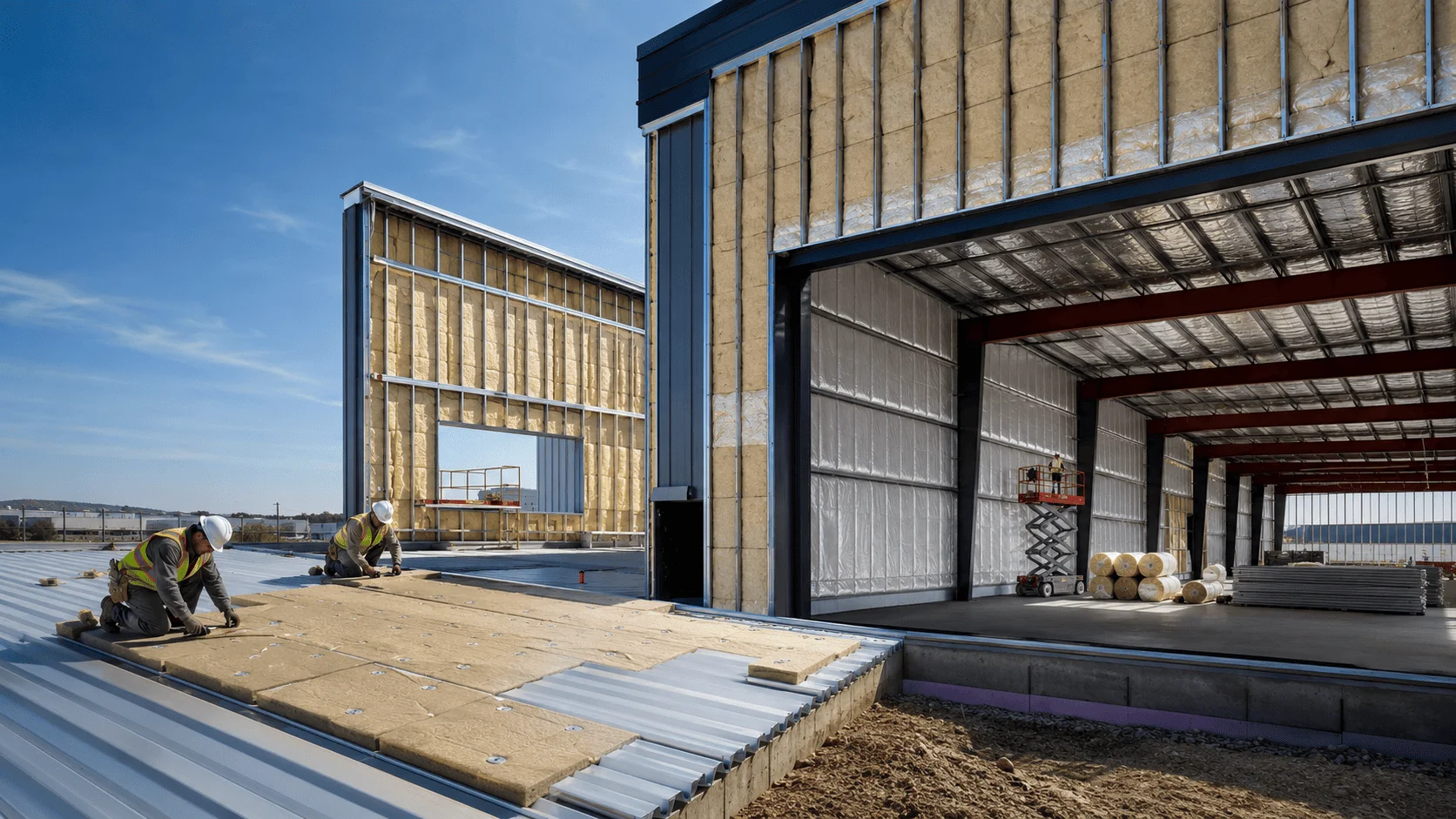
We write estimates for GCs, developers, and facility teams.
We work with your GC
We fit into the construction schedule and trade sequence.
New builds and retrofits
Both brand-new buildings and work in occupied ones.
Every major system
Spray foam, fiberglass, cellulose, batt, and blown-in.
Scheduling that fits
We phase the work around your operations and safety zones.
Written estimates
A clear estimate up front and a walkthrough at the end.
How the Estimate and Installation Process Works
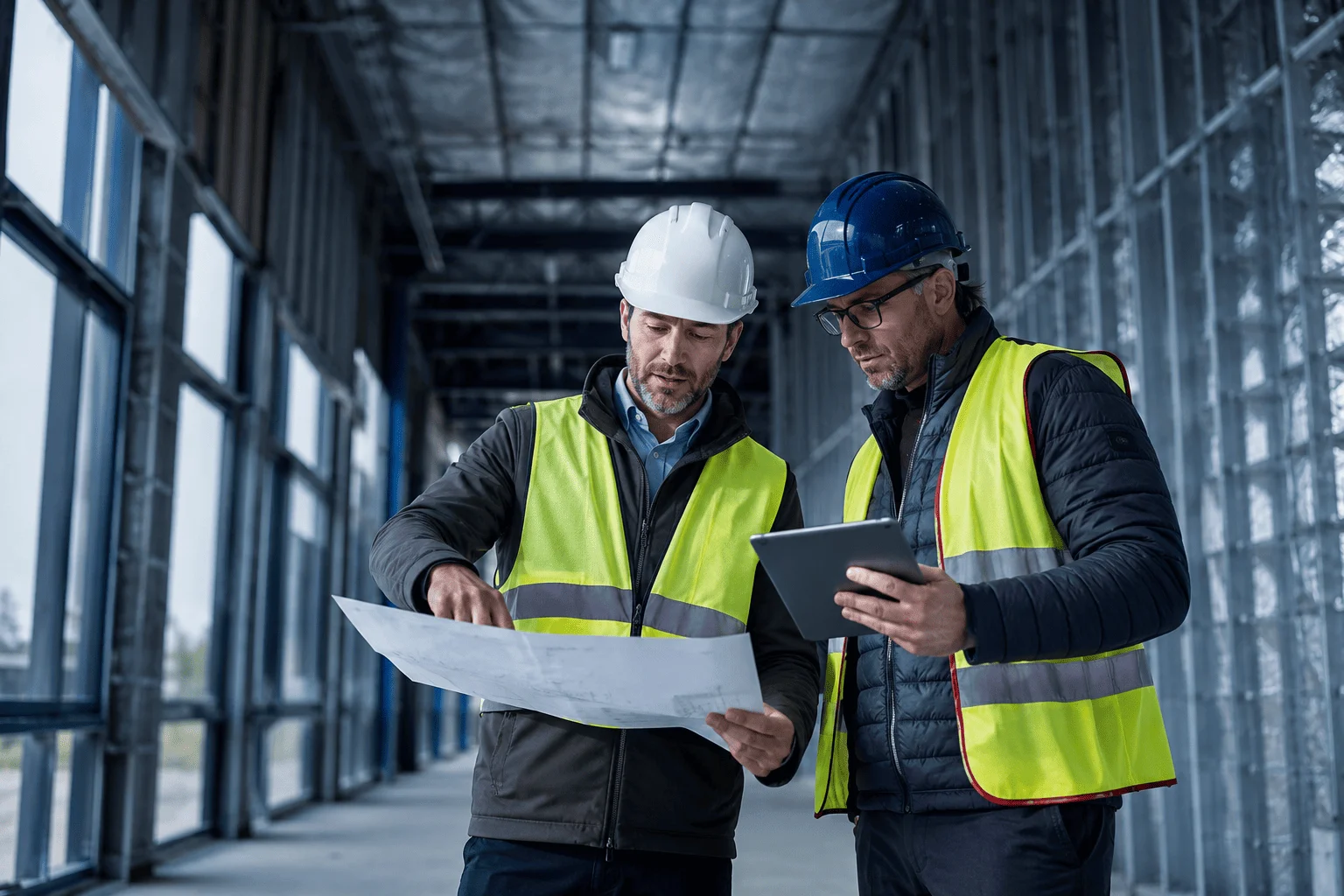
After you send the project details, we review the building, confirm access and timing, and give you a written estimate before any work is scheduled.
You reach out
Tell us about the building and what needs to be insulated.
We review it
We confirm the requirements and anything that affects access.
Walk or takeoff
An on-site walk or a takeoff from your plans and specs.
Written estimate
Clear pricing and the system we'd recommend.
Schedule and install
Planned around how your building runs day to day.
Final walkthrough
Final walkthrough after the work is complete.
Where we do this work
Building-envelope upgrades
Improving thermal continuity across walls, roofs, and transitions.
Warehouse temperature control
Managing heat gain and stratification in large-volume spaces.
Metal-building condensation
Controlling moisture on steel structures and roof decks.
Sound-control assemblies
Acoustic separation for offices, hospitality, and multifamily.
Retrofit energy projects
Re-insulation tied to HVAC and energy-performance goals.
New commercial construction
Envelope insulation coordinated with the build schedule.
Insulation coordinated with the build
On new commercial and industrial construction, envelope insulation and air-sealing are coordinated with framing and MEP before close-in, detailed to the energy-code path and the inspection sequence.
We slot into the construction schedule and trade sequence, document the system and coverage, and confirm the details with the general contractor so the envelope is right the first time.
Plan a new-construction project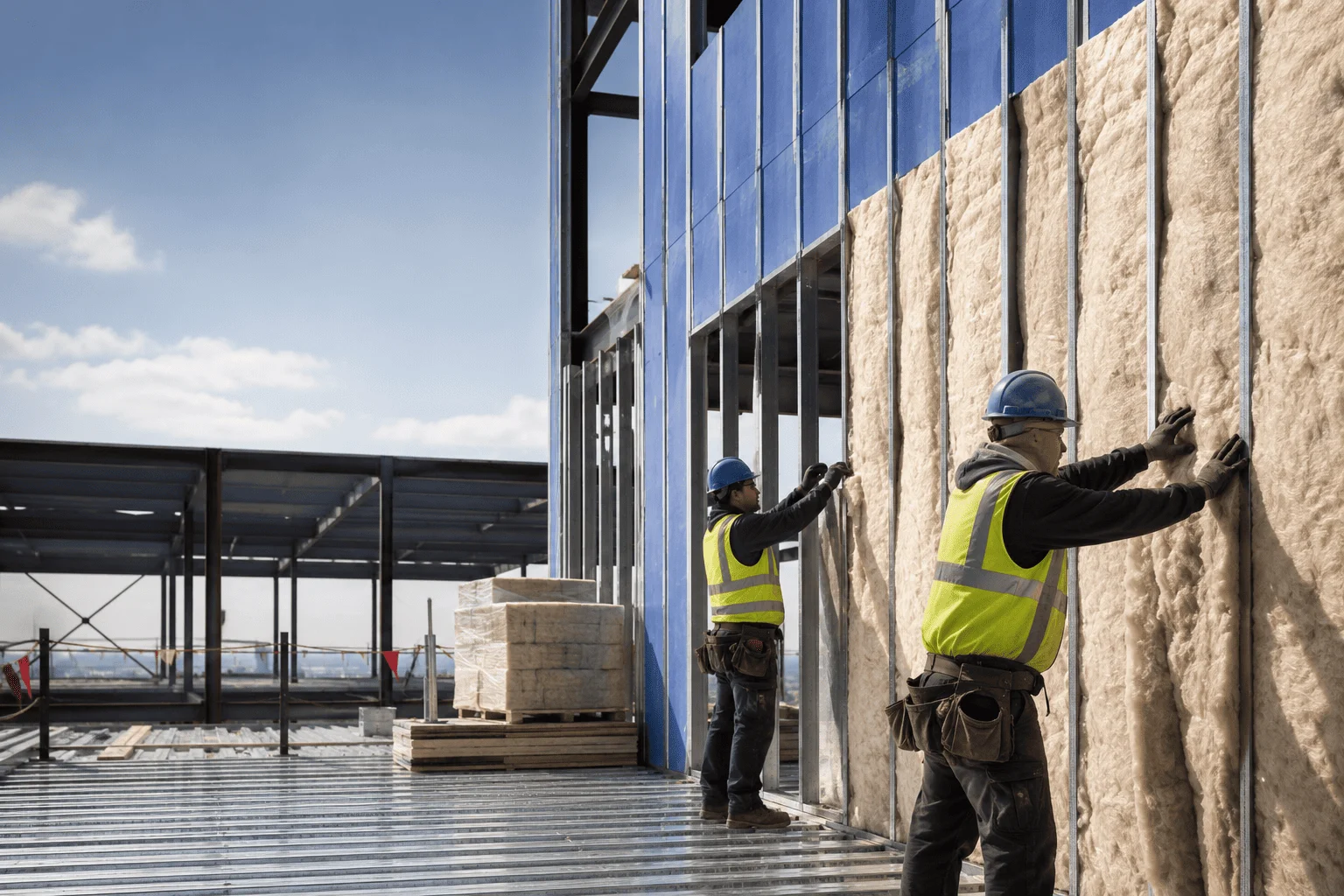
Re-insulation phased around operations
Existing facilities benefit from re-insulation, air-sealing, and removal or replacement of degraded material, staged around operations so the building keeps running while envelope performance improves.
We rope off work zones, coordinate with facility and safety teams, and tie the retrofit to your HVAC and energy goals, all laid out in a written estimate.
Scope a retrofit project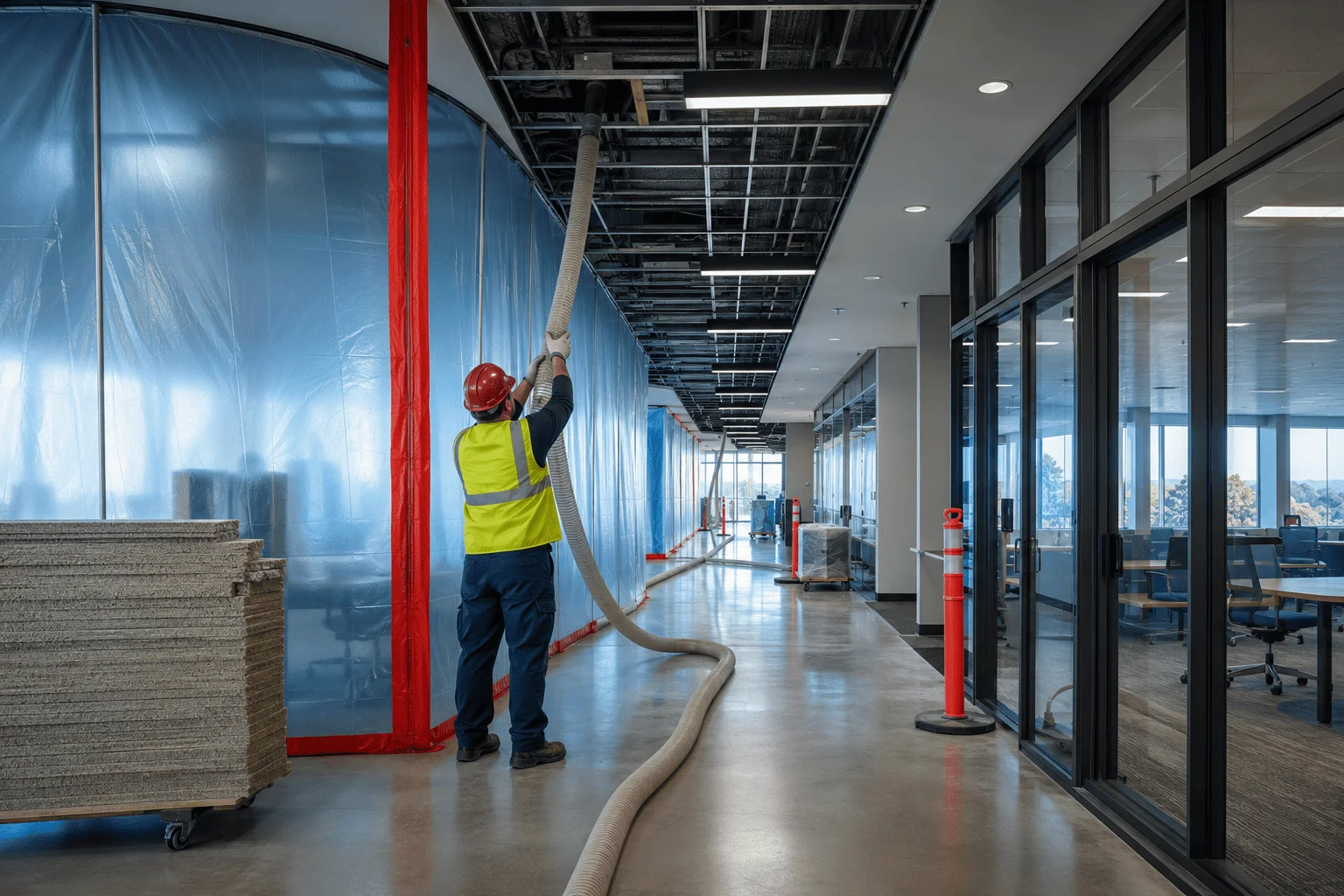
Commercial project coverage across 16 states
We serve commercial and industrial projects across 75 commercial markets. Select a state to see active markets and local facility context.
View all service areas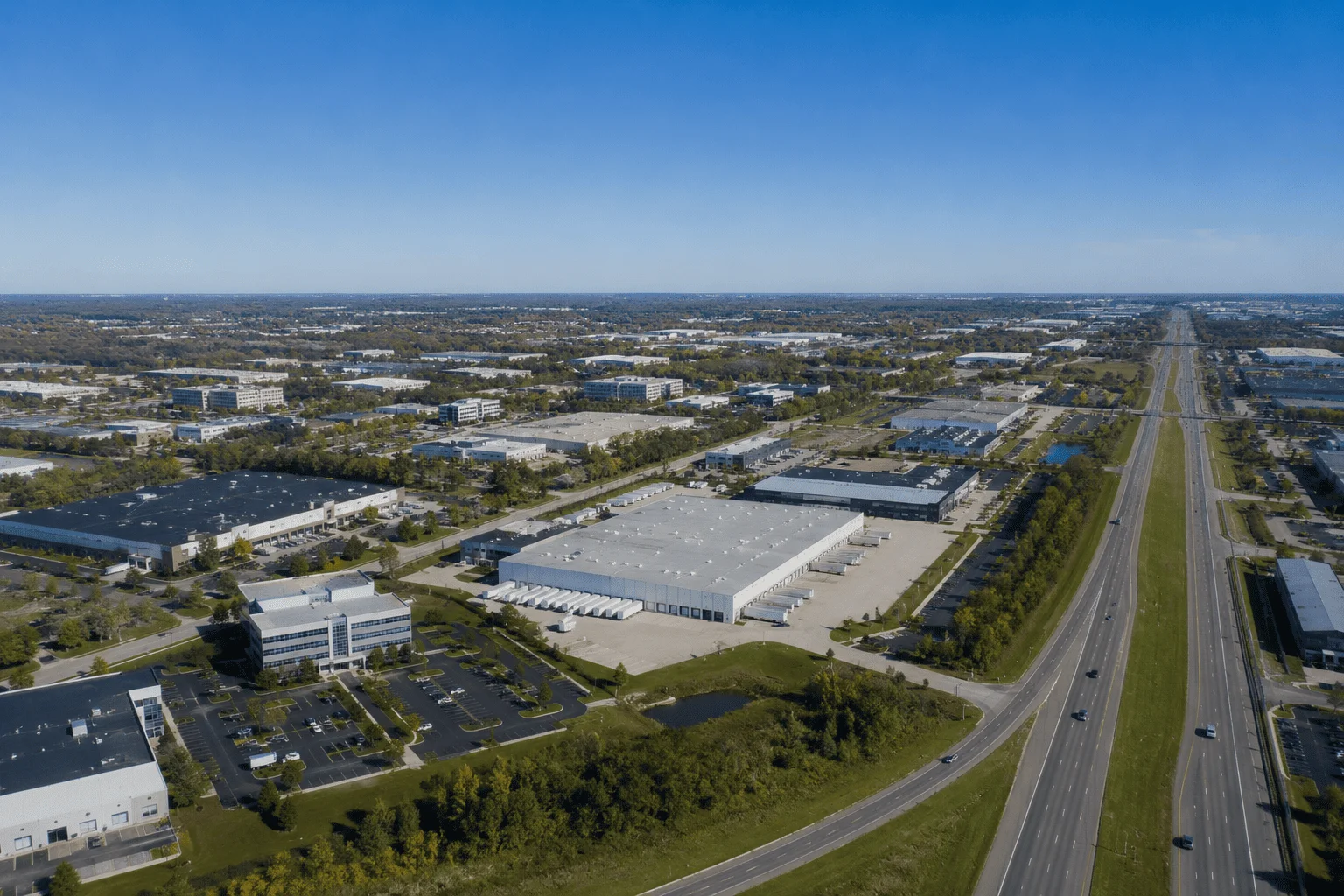
Commercial insulation questions
What insulation is commonly used in commercial buildings?+
Most commercial envelopes combine spray foam, fiberglass batt or roll, and blown-in or cellulose systems. Selection depends on the assembly, energy code, fire and acoustic requirements, and whether the project is new construction or a retrofit.
What factors affect commercial insulation cost?+
Building size and height, the assembly and R-value target, chosen system, access and staging, whether the facility is occupied, and scheduling constraints all drive cost. A written estimate reflects the specific facility rather than a per-square-foot guess.
Can insulation be installed during an active facility retrofit?+
Yes. We phase retrofit work around operations, isolate work zones, and coordinate with facility and safety teams so production continues. Scheduling gets locked in before we start.
What insulation works for metal buildings?+
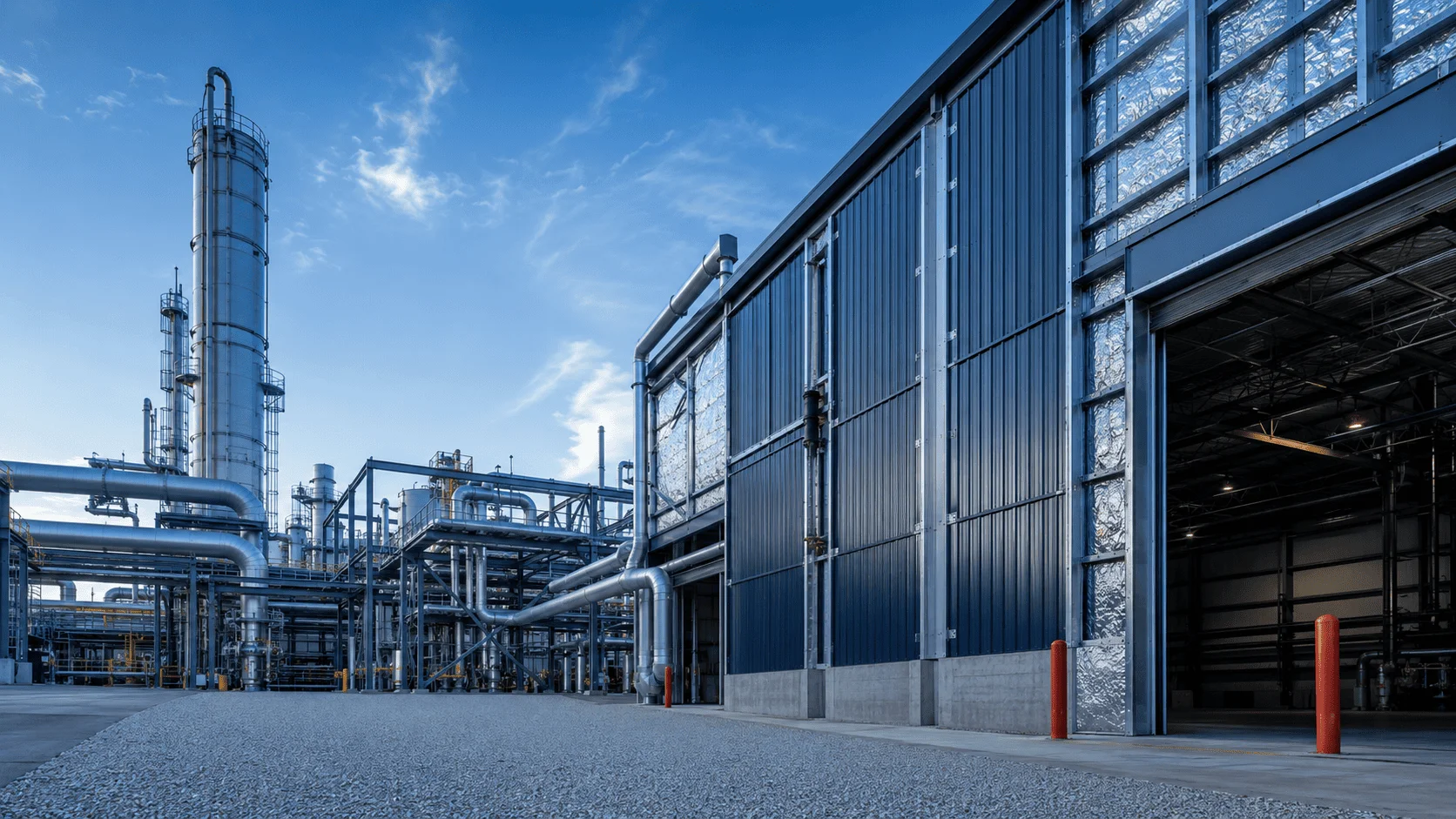
Steel structures are prone to condensation and thermal bridging, so closed-cell spray foam and purpose-built metal-building systems are common. The right choice depends on use, climate, and whether the space is conditioned.
How is a warehouse insulation project estimated?+
We review the structure, roof deck, wall type, target performance, and access, then take off quantities from plans or an on-site walk. The estimate spells out the system and coverage so you can compare it line by line.
What information is needed for a commercial quote?+
Facility type, location, approximate size, project stage (new build or retrofit), and any performance or code targets. Plans or specifications speed things up but are not required to start.
Get a Free Estimate
Tell us the building type, the location, and what you need done. We'll look it over and get back to you with the next step.
Or call us: (850) 639-9272
- Commercial and industrial project inquiries
- New construction and retrofit work
- Written commercial insulation estimates